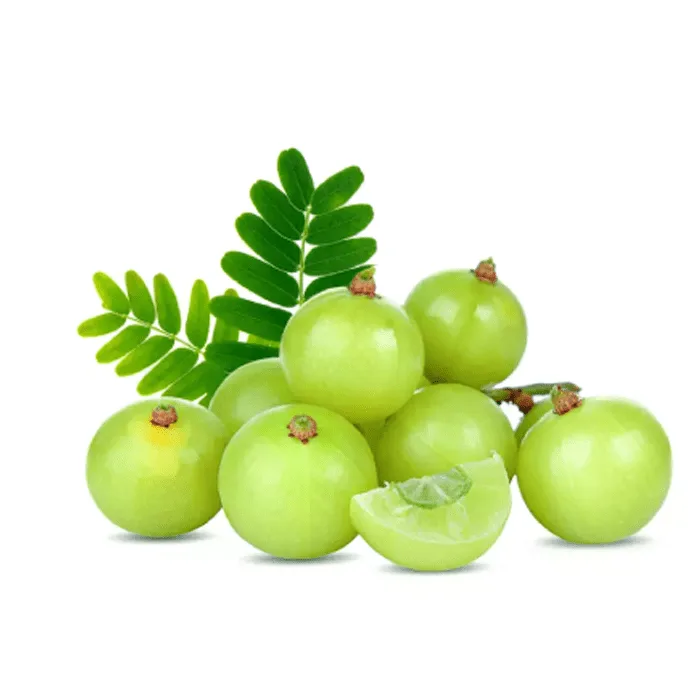
Phyllanthus emblica
Terai · Siwalik (Chure) · Middle Hills
A small sour fruit packed with more vitamin C than an orange. Eat one and the next sip of water tastes sweet.
Doing okay
Cultivate your mind to heal the planet.
Pick a subject and start learning.
 About GreenGrid
The map
From the Terai to the Himalaya, different plants grow in each.
How much trouble each plant is in. Pick a bar to meet them.
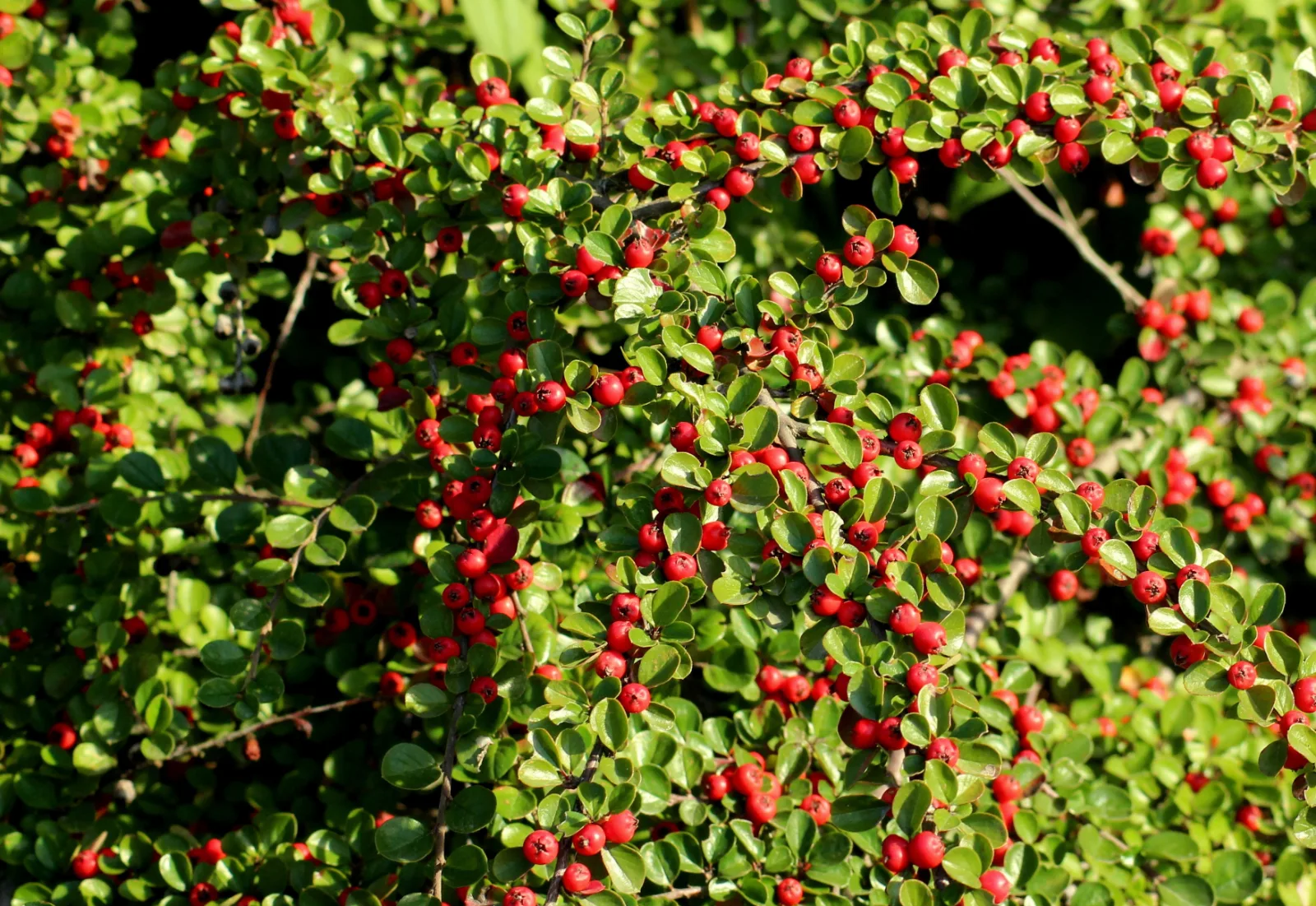
Phyllanthus emblica
Terai · Siwalik (Chure) · Middle Hills
A small sour fruit packed with more vitamin C than an orange. Eat one and the next sip of water tastes sweet.
Doing okay
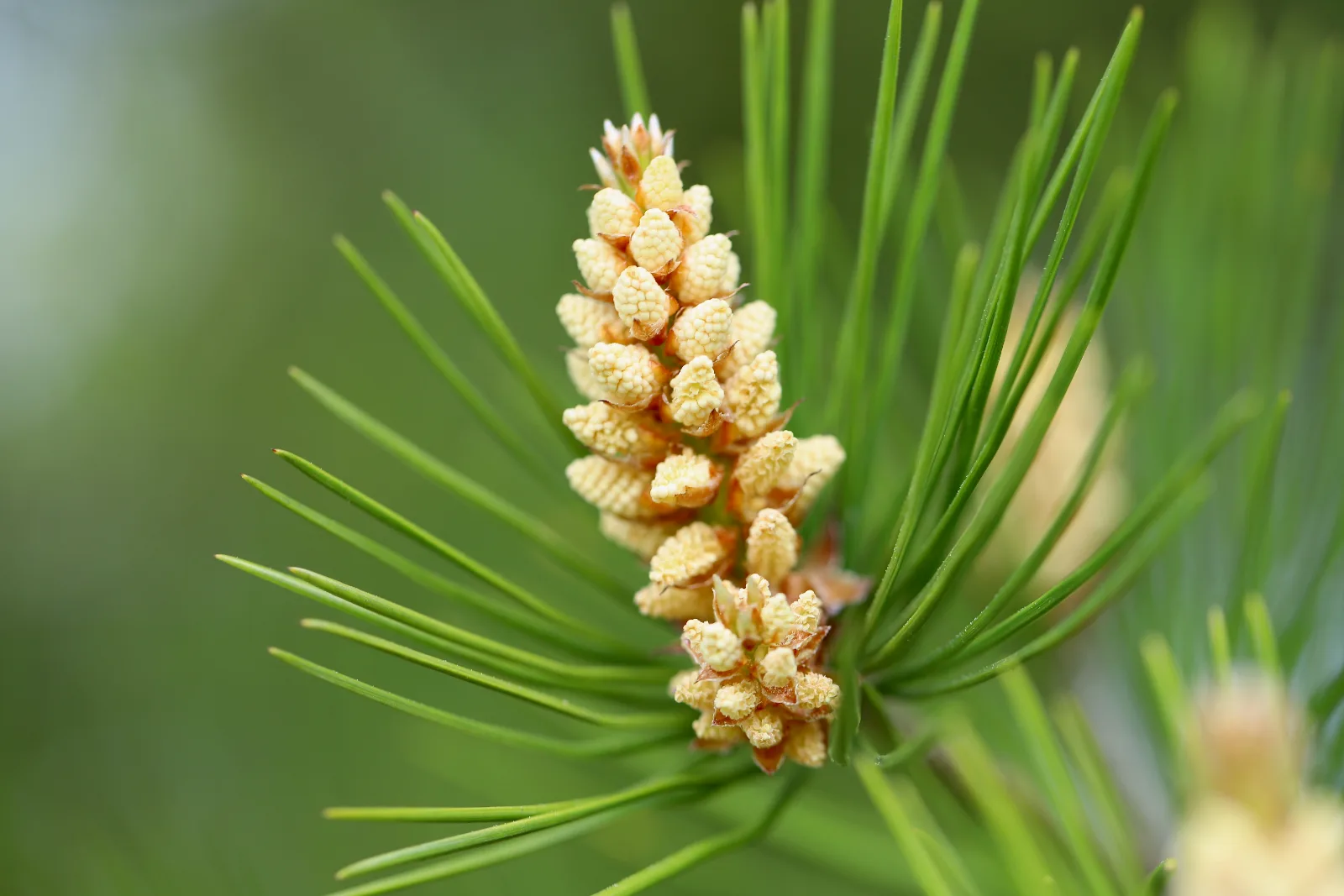
Pinus roxburghii
Siwalik (Chure) · Middle Hills
The pine of the middle hills, with long needles and sticky resin that smells sharp and sweet.
Doing okay
Taxus wallichiana
High Mountains · High Himal & Trans-Himalaya
A slow, dark mountain tree whose bark contains a medicine used to treat cancer. That discovery nearly wiped it out.
In real danger
Rhododendron arboreum
Middle Hills · High Mountains
Nepal’s national flower. When the hills turn red in spring, this is the tree doing it.
Doing okay
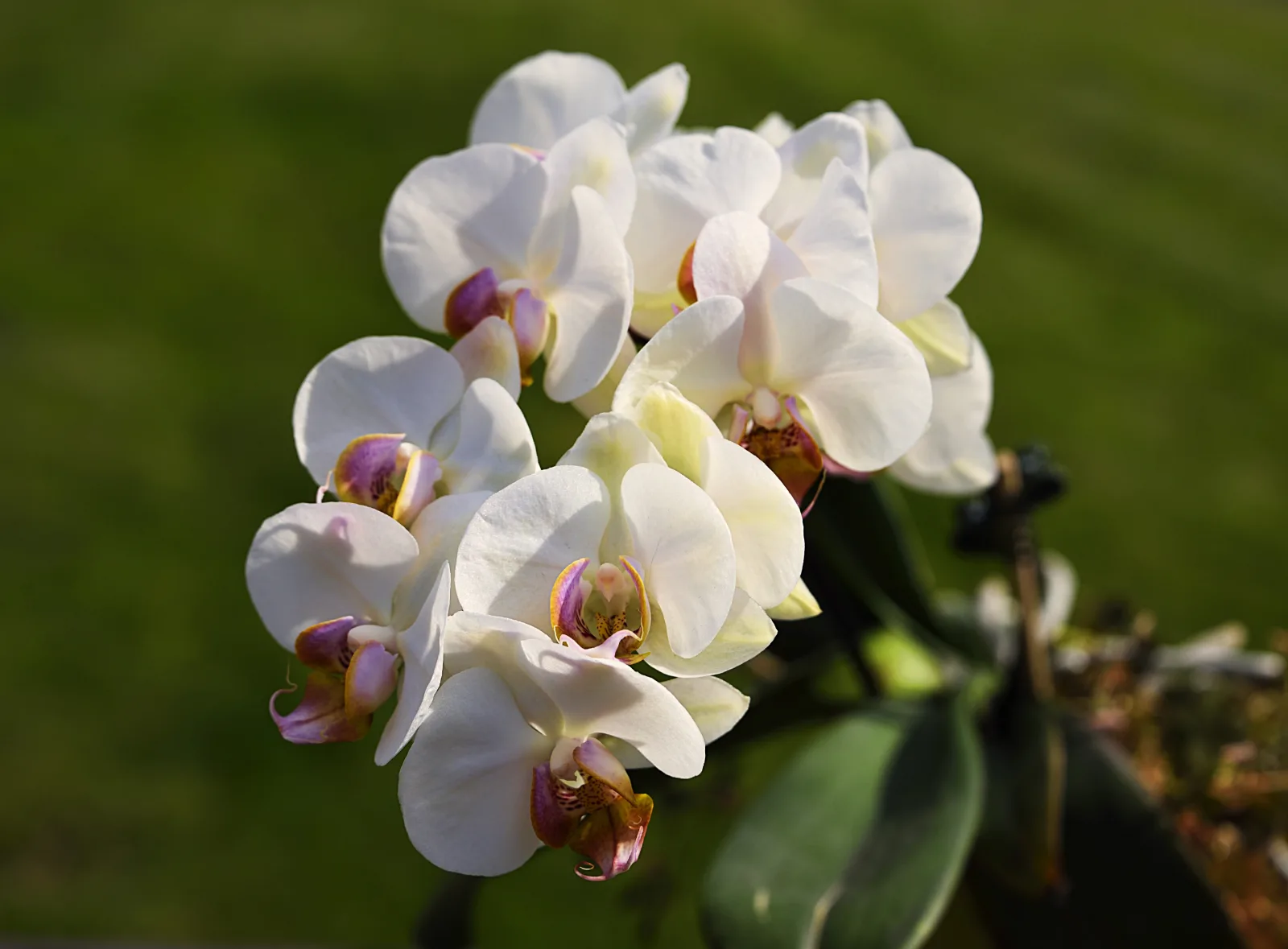
Dactylorhiza hatagirea
High Mountains · High Himal & Trans-Himalaya
A small purple orchid whose root looks like a tiny human hand — five fingers, which is exactly what its name means.
Almost gone
Shorea robusta
Terai · Siwalik (Chure)
The great tree of the Terai forests. Its timber is so strong that Nepali houses built from it stand for a hundred years.
Doing okay
A catastrophic flash flood struck the high-altitude border region between Nepal and Tibet after a massive glacial collapse occurred near Langtang Lirung. The sudden avalanche of ice and debris temporarily dammed the river channel, creating a natural barrier that quickly breached and unleashed a rapid wall of water, mud, and sediment downstream. The surge swept through river basins along the Lhende Khola, Bhote Koshi, and Trishuli river systems, destroying critical infrastructure, washing away bridges, and severing access around Gyirong Port—Nepal's main land border trading link with Tibet. Emergency operations led by the Nepalese Army continue around the clock, though authorities warn that secondary flooding risks remain acute due to unstable debris lakes upstream.
Native plants are the heartbeat of our ecosystem, providing food and homes for local wildlife while keeping our soil strong. Protecting these local plants ensures that nature stays balanced and resilient for years to come.